
Episode 32: Engage Like a Pro: Using Question Tags to Build Rapport in Conversations
 Listen on Apple Podcast
 Listen on Spotify
Transcript
Hi there, and welcome back to Business English Made Easy! I’m Victoria, and today, we’re going to talk about a subtle yet powerful tool that can change the way you connect with people at work: question tags.
You might not realize it, but question tags—those little phrases like isn’t it? or don’t you?—are more than just casual language. They’re a secret weapon for making your conversations feel natural, inclusive, and engaging. Whether you’re in a meeting, networking, or chatting with a client, mastering question tags can help you build rapport and keep the dialogue flowing effortlessly.
Here’s what we’re looking into today:
1. Why question tags work so well for professional communication.
2. How to use them to sound confident, approachable, and polished.
3. Mistakes to avoid so your question tags always hit the right note.
By the end of this episode, you’ll feel equipped to use question tags like a natural part of your professional toolkit.
What Are Question Tags?
Let’s start with the basics. A question tag is a small question added to the end of a statement, like this:
• This is your first project with us, isn’t it?
• You’ve already reviewed the draft, haven’t you?
What makes them unique is how they turn a statement into an invitation for connection. Instead of just sharing information, you’re asking for confirmation or agreement.
For example:
• This is the best option, isn’t it?
Notice how this isn’t just a statement. It invites the other person to agree, respond, or add their perspective. That’s the beauty of question tags—they foster collaboration and keep the conversation active.
Why Question Tags Are a Game-Changer
In business, question tags can help you:
• Engage others naturally: This process is clear so far, isn’t it?
• Encourage agreement: We’ve met the client’s expectations, haven’t we?
• Check understanding without sounding abrupt: You’ve seen the latest updates, haven’t you?
They’re subtle but impactful, creating a moment where the other person feels included and valued.
How to Use Question Tags in Professional Conversations
Let’s explore a few key situations where question tags shine.
1. Keeping Meetings Interactive
Imagine you’re leading a team discussion, and you want to ensure everyone stays engaged. Instead of just delivering your points, sprinkle in question tags to invite feedback:
• We’re all on the same page about the timeline, aren’t we?
• This proposal addresses the client’s concerns, doesn’t it?
Notice how these examples subtly encourage participation without putting anyone on the spot. They’re a great way to check alignment and keep the conversation flowing.
2. Building Rapport with Clients
When you’re talking to clients, question tags help make your tone more conversational and approachable. Instead of sounding like you’re delivering a script, you sound genuinely interested in their perspective:
• This solution fits your needs, doesn’t it?
• You’ve been using the system for a while now, haven’t you?
These phrases show that you’re paying attention and value their input, which strengthens the relationship.
3. Handling Feedback Diplomatically
If you’re giving or receiving feedback, question tags can make the exchange feel less formal and more collaborative:
• This approach could be improved, couldn’t it?
• You’re seeing the same challenges we are, aren’t you?
This approach keeps the tone open and constructive, even when discussing tough topics.
Mistakes to Avoid with Question Tags
While question tags are effective, they can backfire if misused. Here are a few pitfalls to watch out for:
1. Overusing them: If every sentence ends with a question tag, it can make you sound unsure of yourself. Use them sparingly for maximum impact.
2. Sounding insincere: Avoid using question tags to manipulate agreement. For example, This is the only way to handle it, isn’t it? can feel pushy.
3. Using the wrong tone: Question tags should feel natural. Practice varying your tone to ensure they match the context.
Phrases to Start Using Today
Here are some versatile question tags you can incorporate into your conversations:
• That makes sense, doesn’t it?
• You’ve had a chance to review this, haven’t you?
• We should move forward with this plan, shouldn’t we?
Notice how these examples feel collaborative and engaging—they invite participation rather than just delivering information.
Try This Exercise
Think about an upcoming meeting or conversation. Identify one or two moments where you could use a question tag to check understanding, encourage agreement, or build rapport.
For example, instead of saying, This timeline works for everyone, try: This timeline works for everyone, doesn’t it?
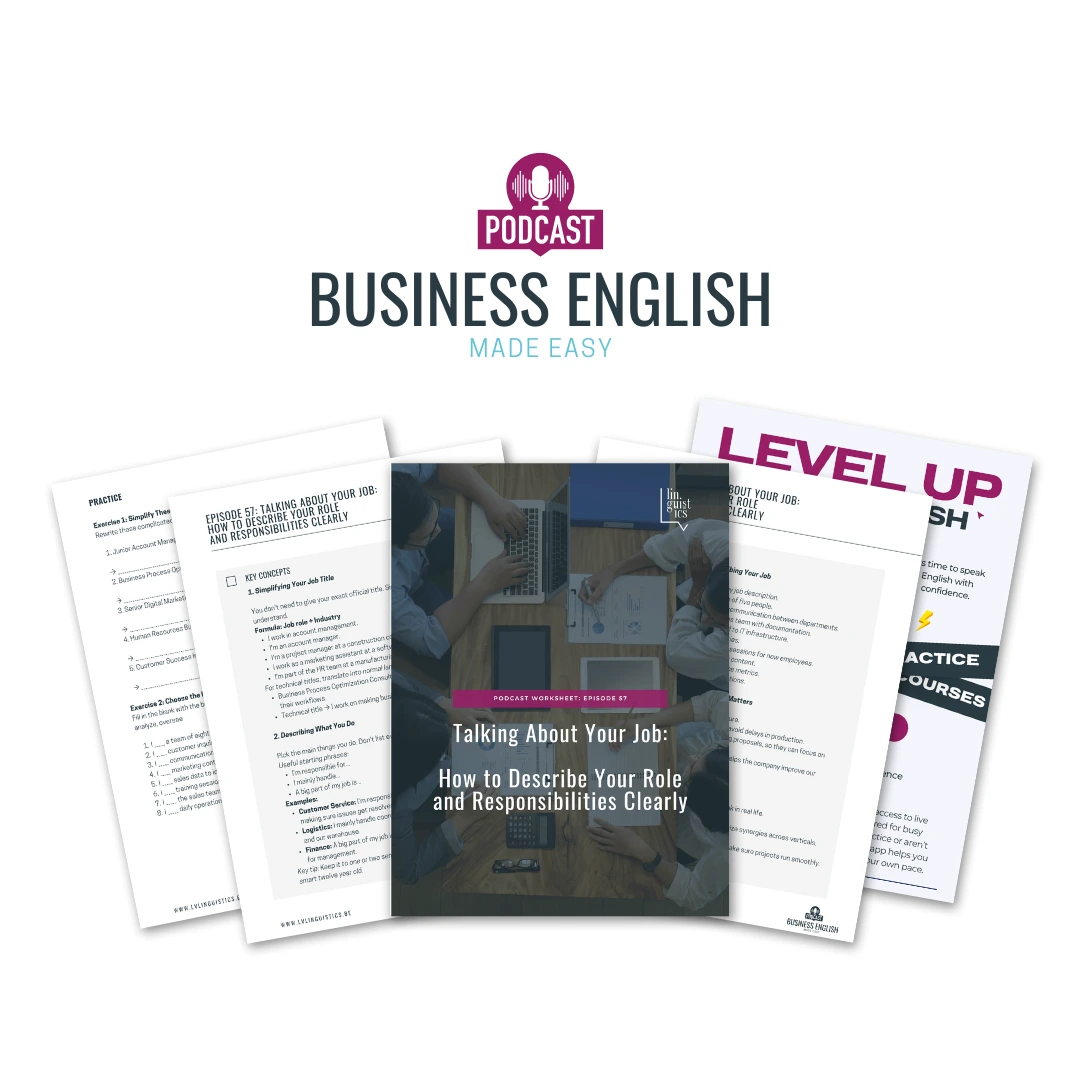
If you’d like more practice, I’ve created a worksheet with examples and scenarios to help you sharpen your skills. You can download it at the top.
Wrapping It Up
Question tags might be small, but they help you engage others, sound approachable, and keep conversations moving in the right direction.
Start experimenting with one or two in your next conversation. The more you use them, the more natural they’ll feel—and the stronger your connections will become.
If you enjoyed this episode, share it with a colleague or friend who could benefit from these tips. And don’t forget to grab the worksheet for extra practice.
Thanks for joining me today on Business English Made Easy! I’ll see you next time!
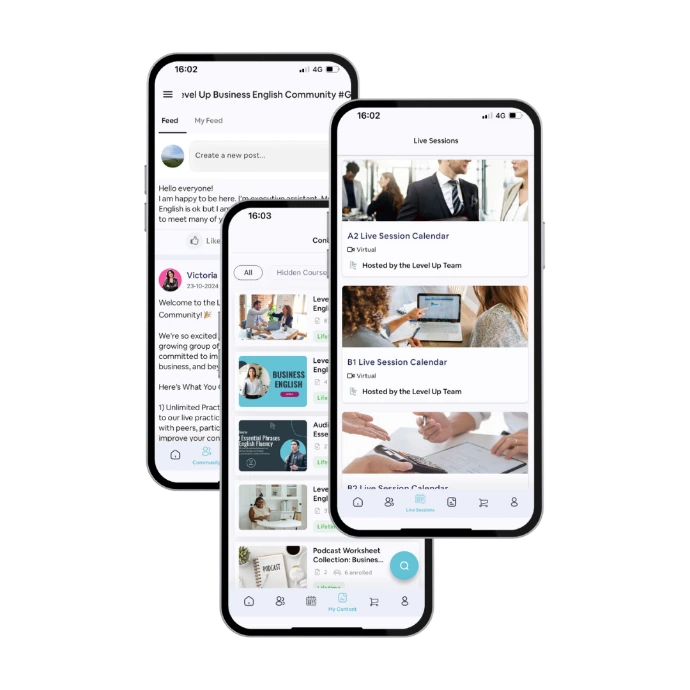
Tous vos outils pour progresser en anglais pro, réunis ici.
Exercices, fiches pratiques et support – tout dans une application conçue pour vous accompagner.
Découvrez l'application