
Episode 16: Mastering Modal Verbs: Can, Could, and May in Business English
 Listen on Apple Podcast
 Listen on Spotify
Transcript
Hello, listeners! Welcome back to Business English Made Easy. I’m Victoria, and this is Episode 16. Today, we’re going to tackle an important aspect of English grammar: modal verbs. Specifically, we’ll focus on can, could, and may, which are crucial for making requests, offering help, and seeking permission in a professional setting. Let’s dive in and see how these modal verbs can enhance your business communication.
First, let’s look at can. Can is used to express ability, make requests, or offer help. For example, I can complete the report by tomorrow. This shows your ability to do something. When making a request, you might say, Can you send me the files? This is a direct but polite way to ask for something. When offering help, Can I assist you with that task? is appropriate and friendly.
Moving on to could, which is often used to make requests sound more polite or less direct. For instance, Could you please forward me the meeting minutes? This sounds more courteous compared to using can. When offering help, Could I help you with the presentation? makes the offer seem more respectful.
Now, let’s discuss may. May is used to ask for permission or to offer something in a very polite and formal way. For example, May I leave the office early today? is a polite way to ask for permission. When offering something, you might say, May I offer you some assistance with that project? This phrase is very formal and shows a high level of respect.
Let’s explore some business scenarios to see how these modal verbs are used effectively.
Scenario 1: Making a Request
If you need a colleague to review your document, you could say:
Can you review this document for me? (Direct)
Could you review this document for me? (Polite)
May I ask you to review this document for me? (Very polite)
Scenario 2: Offering Help
If you notice someone struggling with a task, you might say:
Can I help you with that? (Friendly)
Could I help you with that? (More polite)
May I help you with that? (Very polite and formal)
Scenario 3: Asking for Permission
If you need to leave a meeting early, you could ask:
Can I leave the meeting early? (Direct)
Could I leave the meeting early? (Polite)
May I leave the meeting early? (Very polite and formal)
Using these modal verbs correctly helps you navigate various professional interactions with the right level of politeness and formality. Remember, can is great for direct requests and offers, could makes your language more polite, and may is best for very polite and formal situations.
For more practice with modal verbs, scroll to the top and download our worksheet. It includes exercises to help you master can, could, and may in different business contexts.
Thank you for listening to Business English Made Easy. Modal verbs are small but powerful tools in your English toolkit. Use them wisely to communicate effectively and professionally. Stay curious, keep learning, and I’ll see you in the next episode. Goodbye!
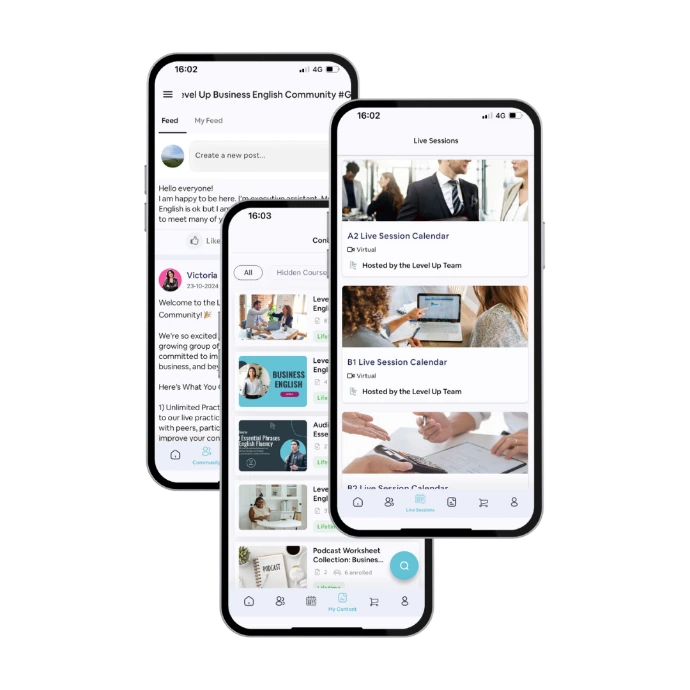
Tous vos outils pour progresser en anglais pro, réunis ici.
Exercices, fiches pratiques et support – tout dans une application conçue pour vous accompagner.
Découvrez l'application