
Episode 24: Powerful Presentations: Vocabulary and Phrases for Impactful Speeches
 Listen on Apple Podcast
 Listen on Spotify
Transcript
Hi, and welcome back to Business English Made Easy. I’m Victoria, and today we’re talking about a critical skill for professionals who write proposals at work: precision!. Whether you’re crafting a business proposal, a project pitch, or even a persuasive email, your choice of words can make or break your message.
In this episode, we’re going to explore why precision is essential in professional writing, look at specific adjectives and adverbs that can elevate your proposals, and practice how to apply these words effectively so your proposals sound clear, professional, and convincing. By the end of this episode, you’ll have actionable strategies and phrases to improve your business writing immediately. Let’s get started.
When writing a proposal, your goal is to persuade. You want your reader to feel confident in your ideas, trust your expertise, and take action—whether that’s approving your plan, investing in your solution, or partnering with your company.
Here’s the key: vague or overly complex language can confuse your reader. It can make them doubt your message or even disengage entirely. Precision, on the other hand, builds clarity and trust.
Let me give you an example. Imagine you write, We offer high-quality solutions that are very effective. At first glance, it seems fine. But let’s make it more precise: We deliver tailored solutions that significantly enhance efficiency. Do you notice the difference? The second version is specific. Words like tailored and significantly explain how your solutions add value. That precision is what makes your message stronger.
Adjectives and adverbs are your tools for adding precision to your proposals. But they need to be used carefully. The wrong words can make your writing sound vague or overly flowery. The right words make your ideas clear and compelling.
Let’s start with adjectives. These describe nouns and help define what kind of product, service, or result you’re offering. Here are a few adjectives that work well in professional proposals:
• Tailored: This highlights that your solution is customized to your client’s needs.
• Comprehensive: This means your proposal covers all necessary details.
• Scalable: This shows that your solution can grow with the client’s business.
• Cost-effective: This emphasizes that your solution saves money without compromising quality.
Now, adverbs. These describe verbs, giving more detail about how something is done. Here are some powerful adverbs for proposals:
• Significantly: This shows a strong impact, e.g., Our solution significantly reduces downtime.
• Precisely: This highlights accuracy, e.g., We deliver precisely what your team needs.
• Efficiently: This conveys speed or effectiveness, e.g., Our process operates efficiently at scale.
• Reliably: This builds trust, e.g., Our system reliably delivers results.
Here’s a quick rule: adjectives and adverbs should clarify and strengthen your message. If they’re not doing that, leave them out.
Now that we’ve covered the words, let’s put them into practice. Imagine you’re writing a proposal to pitch a new software solution. Here’s the difference precision can make:
Original sentence:
Our software is good for managing teams.
Precise version:
Our software offers a tailored approach to managing teams, providing comprehensive tools that significantly improve collaboration.
See how the precise version adds value? It’s clear, professional, and focused on results.
Let’s try another example.
Original:
We help businesses save money.
Precise version:
Our solution reliably helps businesses reduce operational costs by 20%, making it a cost-effective choice for long-term growth.
By adding specific details and impactful words, you’re not just telling your audience what you do—you’re showing them why it matters.
Before we wrap up, here are three quick tips to ensure precision in your writing:
Avoid filler words. Words like very, really, and good often weaken your message. Replace them with specific, impactful words. For example, instead of very effective, use highly efficient.
Be specific about benefits. Instead of saying Our product is great, explain why it’s great. For example, Our product reduces administrative tasks by 40%.
Read your proposal out loud. This is a simple but powerful trick. Hearing your words helps you spot anything that’s unclear or unnecessary.
To recap, precision is key in proposals because it builds clarity and trust. Use adjectives like tailored, comprehensive, and cost-effective to describe your solutions. Add adverbs like significantly and efficiently to show the value of your actions. And always focus on specifics that matter to your audience.
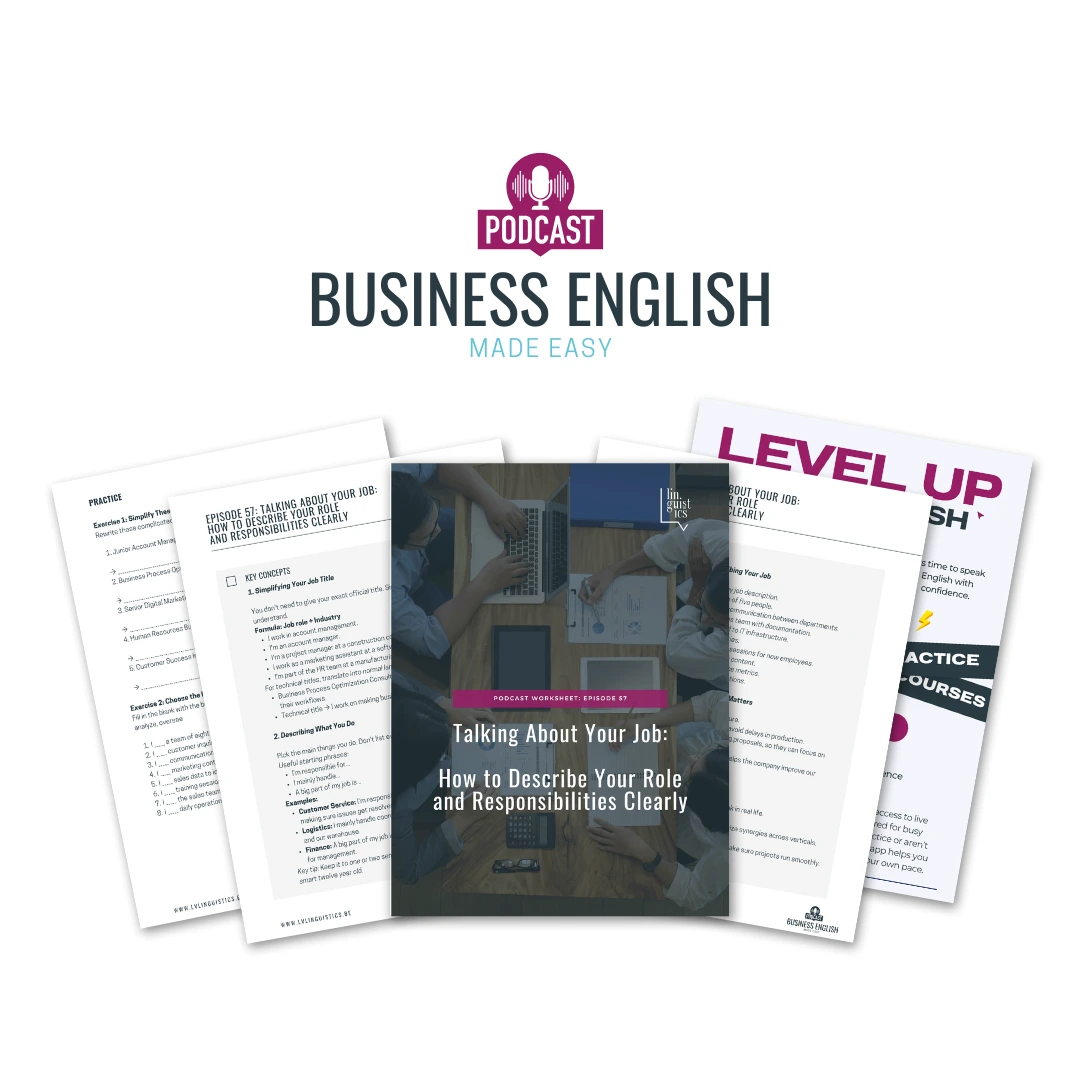
If you’d like to practice, I’ve created a worksheet with exercises to help you refine your proposals. Scroll up to download it.
Thank you for listening to Business English Made Easy. If this episode helped you, share it with a friend or colleague who might benefit. I’ll see you next time!
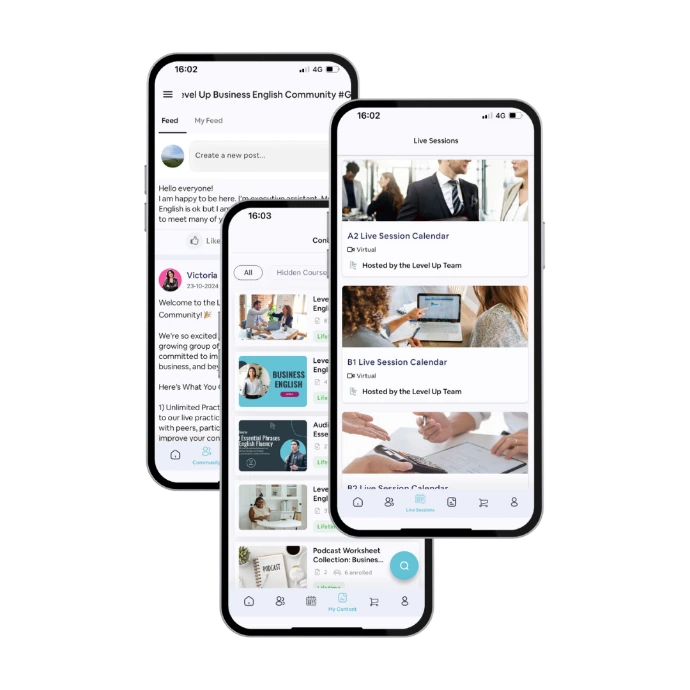
Tous vos outils pour progresser en anglais pro, réunis ici.
Exercices, fiches pratiques et support – tout dans une application conçue pour vous accompagner.
Découvrez l'application