
Episode 20: Mastering Conditional Sentences: Types and Uses
 Listen on Apple Podcast
 Listen on Spotify
Transcript
Hello, everyone! Welcome back to Business English Made Easy. I’m your host, Victoria, and this is Episode 20. Today, we’re diving into an essential aspect of English grammar: conditional sentences. Understanding and using conditional sentences correctly can significantly enhance your communication skills in business. Let’s explore the different types of conditional sentences and their uses.
First, let’s define conditional sentences. These sentences describe situations that depend on a condition. They usually have two parts: the if-clause (condition) and the main clause (result). There are four main types of conditional sentences: Zero Conditional, First Conditional, Second Conditional, and Third Conditional. Each type serves a different purpose.
Let’s start with the Zero Conditional. We use this type to talk about general truths or facts. The structure is simple: If + present simple, present simple. For example, If you heat water to 100 degrees Celsius, it boils. This sentence describes a general fact that is always true.
Examples in business:
If you press the green button, the machine starts.
If employees work overtime, they earn extra pay.
Next is the First Conditional. This type is used to talk about real and possible situations in the future. The structure is: If + present simple, will + base verb. For instance, If it rains tomorrow, we will cancel the outdoor event. This sentence describes a future possibility and its result.
Examples in business:
If we meet our sales targets, we will receive a bonus.
If the client approves the proposal, we will start the project next week.
The Second Conditional is used for hypothetical or unreal situations in the present or future. The structure is: If + past simple, would + base verb. For example, If I were the CEO, I would implement a flexible work schedule. This sentence describes a hypothetical situation that is not true now.
Examples in business:
If we had more resources, we would expand our operations.
If I had more experience, I would apply for the managerial position.
Lastly, we have the Third Conditional. This type is used to talk about past situations that did not happen and their imagined results. The structure is: If + past perfect, would have + past participle. For instance, If I had known about the meeting, I would have attended. This sentence describes a past condition that was not met and its potential result.
Examples in business:
If we had invested in the stock earlier, we would have made a profit.
If they had submitted the report on time, we would have won the contract.
Common Mistakes to Avoid
Mixing up tenses: Ensure you use the correct tense for each type of conditional. For example, avoid saying, If it will rain, we will cancel the event. Instead, say, If it rains, we will cancel the event.
Using the wrong modal verbs: In the Second and Third Conditionals, use would for hypothetical situations. For example, If I was rich, I will buy a mansion, is incorrect. The correct form is, If I were rich, I would buy a mansion.
Confusing real and unreal situations: Use the First Conditional for real future possibilities and the Second Conditional for hypothetical scenarios. For instance, If I win the lottery, I would travel the world, is incorrect. It should be, If I win the lottery, I will travel the world.
Practice Exercises
Let’s practice with a few more examples. I’ll give you a sentence, and you can identify the type of conditional and correct any mistakes if needed.
If you work hard, you get a promotion.
This is a Zero Conditional sentence, and it’s correct.
If she had the skills, she will get the job.
This should be a Second Conditional sentence: If she had the skills, she would get the job.
If we had seen the email, we respond immediately.
This should be a Third Conditional sentence: If we had seen the email, we would have responded immediately.
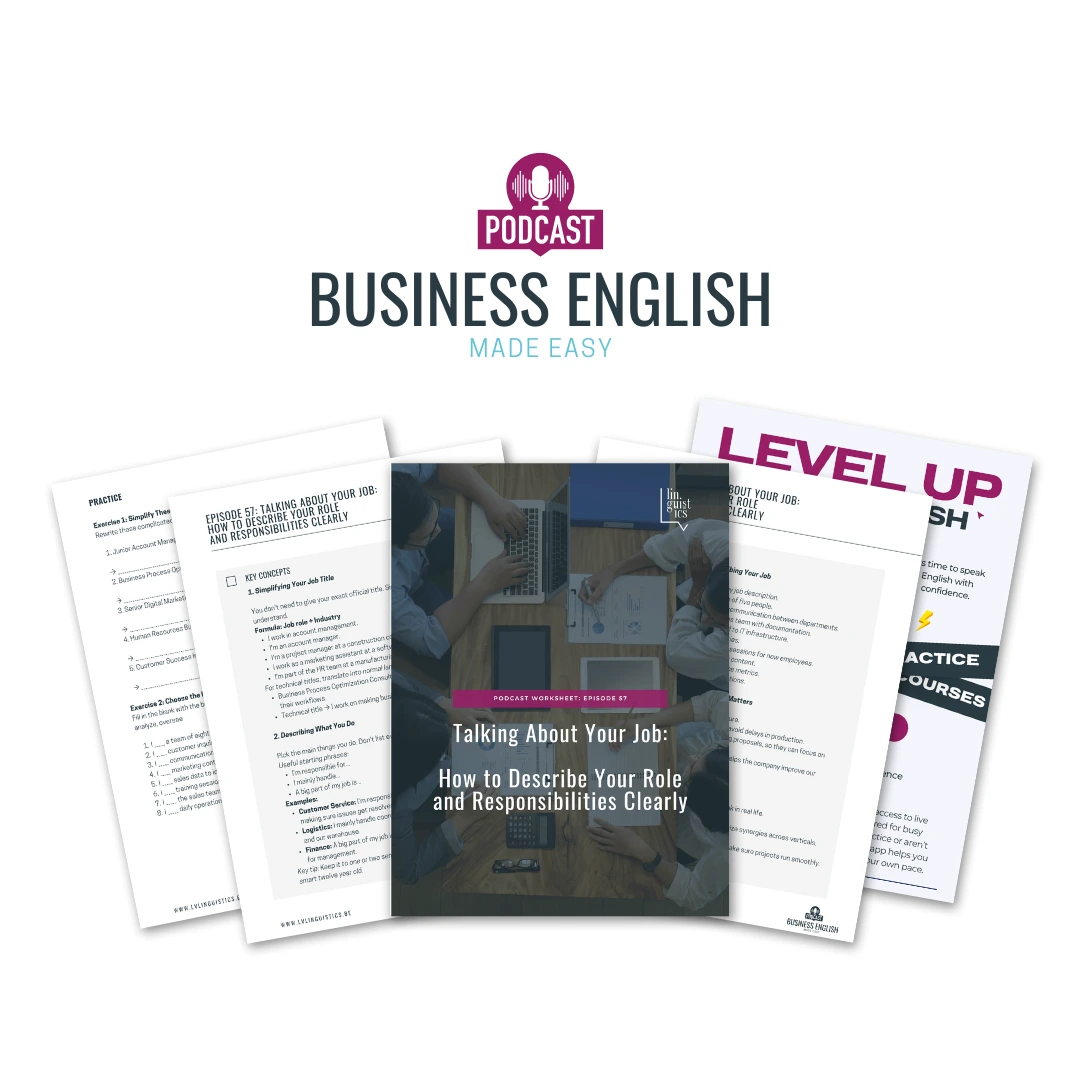
For more practice with conditional sentences, scroll to the top and download our worksheet. It includes exercises to help you master the different types of conditional sentences and use them effectively in your business communications.
Thank you for joining me in today’s episode of Business English Made Easy. Stay curious, keep learning, and I’ll see you in the next episode. Goodbye!
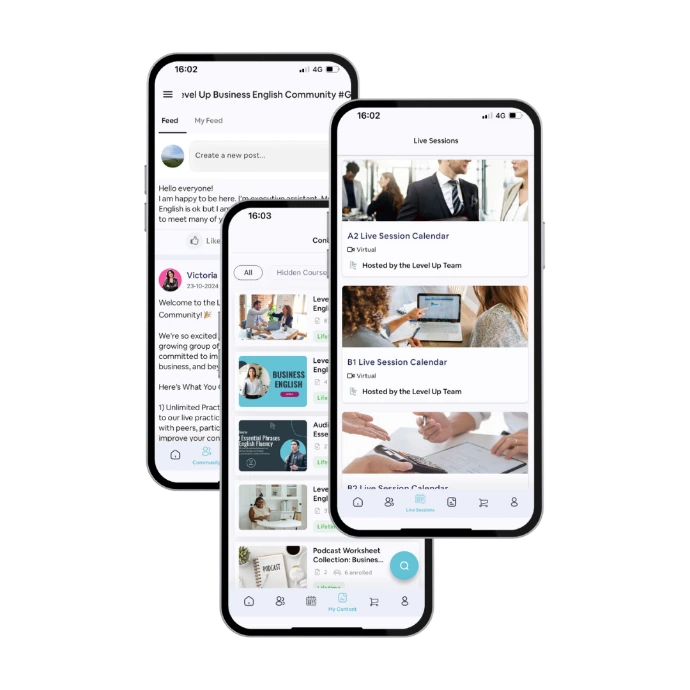
Tous vos outils pour progresser en anglais pro, réunis ici.
Exercices, fiches pratiques et support – tout dans une application conçue pour vous accompagner.
Découvrez l'application