

Episode 29: The Power of ‘Should’ and "Must": Setting Clear Expectations in Emails and Meetings
 Listen on Apple Podcast
 Listen on Spotify
Transcript
Hi there! Welcome back to Business English Made Easy. I’m Victoria, and today, we’re talking about two words that seem so simple but can have a massive impact on how your message is received: should and must.
Now, let me start with a quick question: Have you ever sent an email or had a meeting where everyone left with completely different interpretations of what was supposed to happen next? You think you’ve made yourself clear, but a week later, the task isn’t done, or the deadline’s been missed, and you’re wondering—what went wrong?
That’s what we’re tackling today. By the end of this episode, you’ll have the tools to use should and must effectively to make sure there’s no confusion, whether you’re assigning tasks, setting expectations, or just offering advice.
So, let me share a quick story to set the scene.
The Email That Sparked a Crisis
A few months ago, a colleague of mine—let’s call her Sarah—sent what she thought was a perfectly clear email. It said:
We should finalize the report by Thursday.
Seems fine, right? Well, fast-forward to Friday morning, and the report still wasn’t done. The team thought should meant it’s a good idea, but no big deal if it’s not done on time. Meanwhile, Sarah meant it absolutely needed to be done by Thursday.
It was a classic case of miscommunication, all because of one little word: should.
That’s why I’m so passionate about this topic. Small words like should and must can make or break how your message lands. Let’s start by breaking down the difference between them.
What’s the Difference Between Should and Must?
Here’s the simplest way to think about it:
• Should is a suggestion or recommendation. It’s polite, flexible, and often leaves room for interpretation.
• Must is a requirement. It’s firm, clear, and non-negotiable.
For example:
• You should attend the meeting to stay updated. (It’s a good idea, but optional.)
• You must attend the meeting to present your updates. (This is a directive.)
The difference in tone is huge, and choosing the right word can completely change how your message is received.
How to Use Should and Must in Professional Settings
Let’s break this into two key scenarios: emails and meetings.
Emails: Creating Clarity in Writing
Emails are tricky because tone can easily get lost. If you want to avoid confusion, you need to be deliberate about whether you use should or must.
For example, imagine you’re assigning a task.
• Should: You should complete the draft by Thursday so we can review it before the deadline. (A recommendation—helpful, but not urgent.)
• Must: You must complete the draft by Thursday to meet the project timeline. (A firm directive—there’s no room for flexibility.)
Here’s another one:
• Should: We should prioritize updating the client’s proposal this week. (A suggestion, leaving room for discussion.)
• Must: We must update the client’s proposal this week to stay competitive. (Non-negotiable—it has to be done.)
When you’re writing emails, always think about the level of urgency and importance. Should is great for collaboration, while must is your go-to for deadlines or high-stakes tasks.
Meetings: Sounding Confident and Decisive
In meetings, your tone is just as important as your words. If you want to sound confident and professional, you need to use should and must strategically.
Here’s an example from a team discussion:
• We should consider reallocating resources to meet the client’s needs. (This invites collaboration—it’s open-ended.)
• We must reallocate resources to meet the client’s needs. (This sets a clear priority—action is required.)
Another scenario might be reviewing next steps:
• The team should focus on the key deliverables for next week’s presentation. (This is a polite suggestion.)
• The team must complete the key deliverables by Friday for next week’s presentation. (This is a firm expectation.)
The key is to match your tone to the situation. If you’re trying to encourage discussion or flexibility, go with should. If you’re setting a boundary or requirement, use must.
When Must Feels Too Harsh
Sometimes, must can feel too strong, especially in collaborative environments. In those cases, you can soften it with a polite phrase or context. For example:
• To ensure we meet the deadline, the report must be finalized by Wednesday.
• To stay aligned with the project plan, we must complete the review by tomorrow.
This way, you’re still firm, but the tone feels less rigid.
What to Avoid with Should and Must
Let’s talk about common pitfalls:
1. Overusing must: If everything is a must, people might start tuning out your messages. Reserve it for high-priority tasks.
2. Being too vague with should: If you say, You should do this soon, it’s not clear enough. Add specifics like You should complete this by Thursday to stay on schedule.
Phrases You Can Use Right Away
Here are a few ready-to-use phrases for your emails and meetings:
Should:
• We should aim to complete this by end of day Thursday.
• We should consider this approach to save time.
Must:
• The draft must be finalized by 3 PM on Friday.
• You must update the client before the end of the day.
• We must prioritize this task to stay aligned with our goals.
Let’s Practice Together
Here’s a quick challenge: Think about a task or project you’re currently working on. Write one sentence using should to make a recommendation, and another sentence using must to set a requirement.
For example:
• We should check the numbers again to ensure accuracy.
• We must submit the final report by Monday to meet the deadline.
If you’re not sure how to phrase it, don’t worry—I’ve created a worksheet with examples and practice exercises to help you sharpen these skills. You can download it at the top.
Wrapping It Up
So, there you have it! Should and must might be small words, but they carry a lot of weight in how you communicate. Use should for suggestions and recommendations, and must for clear, non-negotiable requirements.
I hope today’s episode gives you the confidence to set expectations more clearly, whether you’re writing emails or leading meetings. If you found this episode helpful, share it with a colleague or friend who could use these tips too!
Thanks for listening to Business English Made Easy. I’ll see you next time!
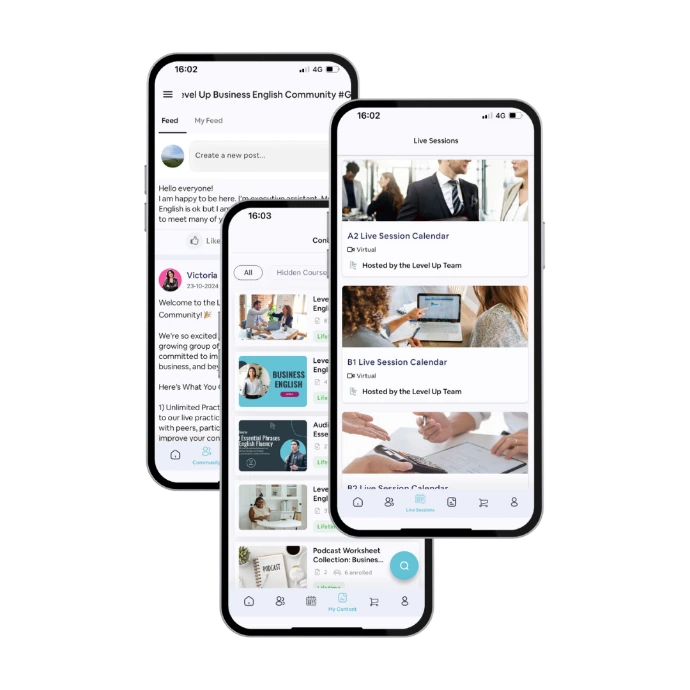
Tous vos outils pour progresser en anglais pro, réunis ici.
Exercices, fiches pratiques et support – tout dans une application conçue pour vous accompagner.
Découvrez l'application