
Episode 28: Past Perfect in Action: Talking About What Went Wrong (and How to Fix It)
 Listen on Apple Podcast
 Listen on Spotify
Transcript
Hi there, welcome back to Business English Made Easy! I’m Victoria, and today, we’re getting real about something every professional has to do at some point: explaining what went wrong and how to fix it.
Whether it’s in a project review, a team meeting, or even an email to your boss, we’ve all had to break down a situation that didn’t go as planned. And here’s the thing—how you talk about what went wrong matters. It’s not just about reporting mistakes; it’s about showing accountability, and a focus on solutions.
That’s where the past perfect tense comes in. It’s not just a grammar rule—it’s a tool that helps you clearly explain the sequence of events and take ownership of what happened without sounding defensive or unclear.
In today’s episode, we’re going to cover:
- Real-life examples of how to use it in situations like project reviews, problem-solving, and follow-ups.
- My favorite phrases to make your explanations clear, constructive, and solution-oriented.
By the end of this episode, you’ll feel confident using the past perfect to handle those tricky What went wrong? conversations like a pro.
So, grab your coffee or tea, and let’s get into it.
Why Talking About Mistakes Can Be Tricky
Let’s start here. Talking about mistakes can be uncomfortable. Nobody loves admitting something went wrong, but it’s often necessary in professional settings. Whether you’re reviewing a missed deadline, a budget overrun, or a technical glitch, the goal isn’t just to highlight the issue—it’s to explain it in a way that builds trust and moves the team forward.
This is why the past perfect is so powerful. It lets you lay out the sequence of events without confusion, which makes your explanation clearer and more credible.
For example:
We had finalized the budget before we received the updated client requirements.
In this sentence, you’re showing exactly what happened and when. It’s logical, precise, and takes the drama out of the explanation.
Okay, let’s do a quick refresher on what the past perfect is and when to use it. The past perfect is used to talk about something that happened before another past event.
Here’s the structure:
Had + past participle
And some quick examples:
The report had been submitted before the client requested changes.
They had approved the contract before the deadline was extended.
Notice how it helps you clarify the timeline? This is key when you’re explaining what went wrong because it helps you avoid misunderstandings.
Let’s break it down into three common business scenarios: project reviews, solving problems, and following up after mistakes.
1. Project Reviews
Imagine you’re in a project debrief, and the team is discussing why a deadline was missed. The past perfect lets you explain without pointing fingers.
For example:
• The initial timeline had been agreed upon before the additional features were added.
• We had completed the first phase on schedule, but delays occurred during the testing phase.
These sentences are clear, factual, and professional. They help the team focus on the sequence of events instead of assigning blame.
2. Solving Problems
The past perfect is also great for problem-solving discussions. It allows you to analyze what led to an issue and propose a way forward.
For example:
If we had communicated the resource constraints earlier, we might have avoided the bottleneck.
The error had been flagged during the initial review, but it wasn’t addressed before launch.
These phrases show that you’re not just identifying the problem—you’re learning from it and focusing on solutions.
3. Following Up After Mistakes
Finally, let’s talk about follow-ups. Sometimes, you need to explain what went wrong in an email or a conversation with your manager. The past perfect helps you keep it professional and focused.
For example:
The update had been sent to the client before we realized there was a formatting issue.
We had assumed the vendor would deliver on time, but the shipment was delayed.
These statements are constructive, not defensive, which helps maintain trust and credibility.
Phrases to Make Your Explanations Solution-Oriented
Here are some go-to phrases you can use when combining the past perfect with a focus on solutions:
If we had known about the issue earlier, we could have adjusted the timeline.
The data had been reviewed before submission, but we’ll implement a double-check process moving forward.
While we had completed the initial testing, we’ll allocate more time for additional rounds in the future.
These phrases show accountability while keeping the conversation forward-thinking.
Let’s Practice
Here’s a quick exercise for you: Think about a situation where something didn’t go as planned at work. Write down one sentence using the past perfect to describe what happened. Then, write a second sentence suggesting a solution or improvement.
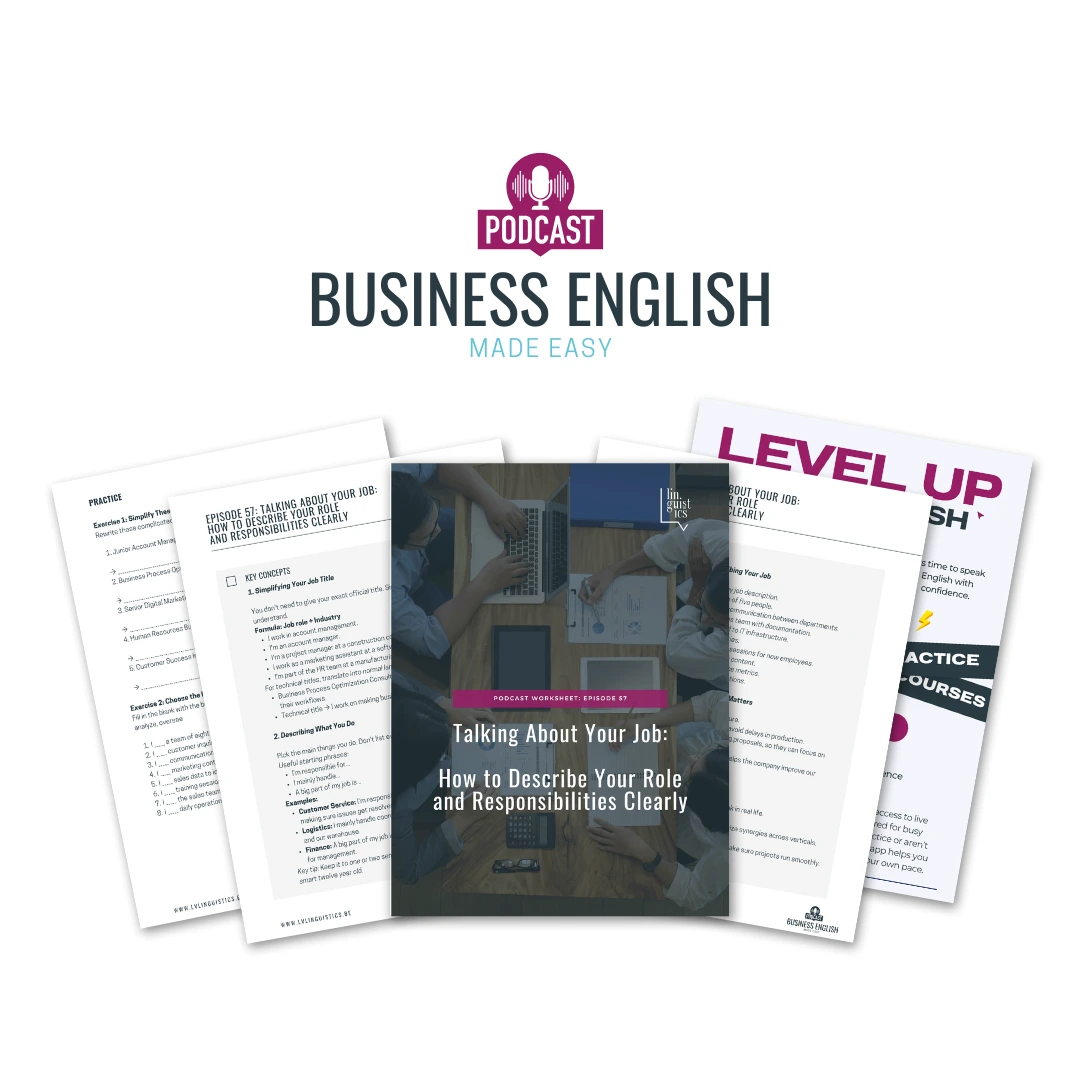
If you’re stuck, don’t worry! I’ve created a worksheet with more examples and exercises to help you practice. Scroll up to download the worksheet.
Wrapping It Up
To sum it all up, the past perfect is your secret weapon for handling tough conversations about mistakes or challenges. It helps you explain the timeline clearly, sound professional, and keep the focus on solutions.
If you found this episode helpful, share it with a colleague or friend who could benefit from using this in their own professional communication. And don’t forget to grab the worksheet—it’s a great way to solidify what we covered today.
Thanks so much for spending time with me on Business English Made Easy! I can’t wait to see you in the next episode.
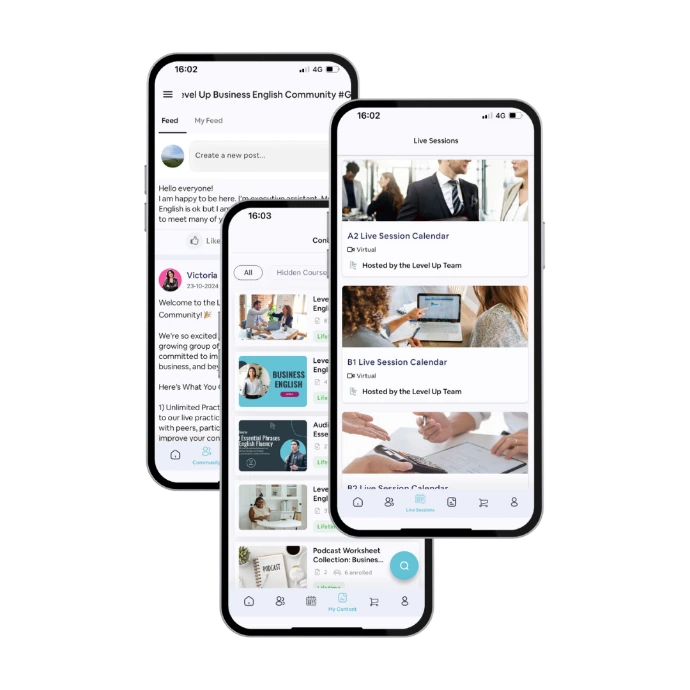
Tous vos outils pour progresser en anglais pro, réunis ici.
Exercices, fiches pratiques et support – tout dans une application conçue pour vous accompagner.
Découvrez l'application