
Episode 34: Brainstorm Like a Leader: Vocabulary and Strategies for Creative Team Discussions
 Listen on Apple Podcast
 Listen on Spotify
Transcript
Hello and welcome back to Business English Made Easy! I’m Victoria, and today we’re diving into the heart of what makes great teams thrive: creative brainstorming sessions.
If you’ve ever walked into a brainstorming meeting and felt like the discussion lacked focus—or worse, it was dominated by just a few voices—then you already know that effective brainstorming isn’t just about throwing out ideas. It’s about creating an environment where everyone feels empowered to contribute, and where the best ideas rise to the top.
Today, we’re shifting gears to focus on leadership during brainstorming. Whether you’re leading the discussion or participating as part of a team, the language and strategies you use can make a huge difference in fostering creativity and collaboration.
Here’s what we’re tackling:
1. The specific vocabulary that makes brainstorming sessions productive.
2. Strategies for leading creative discussions with confidence and structure.
3. How to handle common challenges, like keeping the conversation on track or ensuring quieter voices are heard.
By the end of this episode, you’ll feel ready to brainstorm like a true leader, guiding your team toward innovative solutions. Let’s get started.
What Makes a Great Brainstorming Session?
Let’s start by asking: What separates a truly effective brainstorming session from one that feels like a waste of time?
The answer often comes down to leadership. A great brainstorming leader sets the tone, keeps the discussion organized, and uses clear language to encourage participation. This isn’t about taking over—it’s about guiding the group toward meaningful ideas while leaving space for everyone to contribute.
And here’s the thing: The words you use matter. Phrases like, Let’s explore this further, or That’s a great starting point, let’s build on it, can keep the conversation flowing and make people feel valued.
Let’s break it down into vocabulary and strategies you can start using today.
Essential Vocabulary for Brainstorming Sessions
Here are some key phrases to add to your toolbox, organized by the different stages of a brainstorming session:
1. Opening the Session
Your goal here is to set a positive and inclusive tone.
• Let’s start by throwing out some initial ideas—there are no wrong answers.
• Feel free to think big—this is about possibilities, not limitations.
• Let’s keep it open-ended for now. We’ll narrow things down later.
2. Encouraging Contributions
Use these phrases to draw out input from the group, especially quieter team members.
• What’s your take on this, [Name]?
• That’s a solid idea—does anyone want to add to it?
• I’d love to hear different perspectives. What do you think?
3. Keeping the Conversation Focused
When discussions start to go off track, use gentle guidance to steer them back.
• That’s an interesting point—how does it connect to our goal?
• Let’s put that idea on hold for now and come back to it if we have time.
• How does this fit into the bigger picture?
4. Wrapping Up
End the session by summarizing key ideas and outlining next steps.
• Here’s a quick summary of what we’ve come up with so far.
• Let’s prioritize these ideas and decide which ones to explore further.
• Thanks, everyone—great work today! I’ll send out a follow-up with our main points.
Strategies for Leading Brainstorming Sessions
Now that we’ve covered vocabulary, let’s look at how to lead a session that’s both creative and productive.
1. Set Clear Goals
Start the session by defining its purpose. Are you brainstorming solutions for a specific problem? Generating ideas for a new product? Clarifying the goal helps everyone stay aligned.
Example:
• Today, we’re focusing on ways to improve our customer experience. Let’s aim for at least 10 new ideas by the end of this session.
2. Use Time Limits
Brainstorming can easily drag on if there’s no structure. Assign time limits to each phase of the discussion to keep things moving.
Example:
• Let’s spend the next 10 minutes coming up with ideas, and then we’ll take 5 minutes to discuss each one.
3. Encourage Building, Not Blocking
Great ideas often come from building on others’ suggestions. Encourage phrases like:
• That’s interesting—what if we took it a step further?
• I love where this is going—let’s explore it more.
Avoid shutting down ideas too early. Even a bad idea can lead to a breakthrough when refined.
4. Engage Everyone
As a leader, it’s your job to ensure every voice is heard. Call on quieter team members directly, but in a way that feels inviting rather than pressured.
Example:
• [Name], you’ve worked on this type of project before. Do you have any thoughts?
5. Wrap Up with Action Steps
End every session with a clear plan. What happens next? Who’s responsible for moving the ideas forward?
Example:
• We’ve got some fantastic ideas here. Let’s each take one and do a quick feasibility check before our next meeting.
Handling Common Challenges
Even the best brainstorming sessions can hit roadblocks. Here’s how to handle a few common issues:
When the Conversation Stalls
Try prompting with specific questions:
• What would this look like if we had unlimited resources?
• What’s the simplest version of this idea we could try?
When One Person Dominates
Gently redirect by involving others:
• Great point, [Name]. Let’s hear from [Name]—I’d love their perspective too.
When Ideas Feel Repetitive
Encourage the group to think differently:
• What’s an idea that might seem risky but could be amazing if it worked?
Your Challenge for the Week
This week, try applying what we’ve covered in your next brainstorming session. Focus on using inclusive language, guiding the conversation with purpose, and keeping the group energized.
And here’s a bonus challenge: Pick one phrase from today’s vocabulary list and use it in your next meeting. You’ll be surprised at how much impact the right words can have.
Wrapping Up
Brainstorming isn’t just about generating ideas—it’s about creating an environment where creativity can thrive. By using clear vocabulary and effective strategies, you can lead discussions that are not only productive but also energizing for your team.
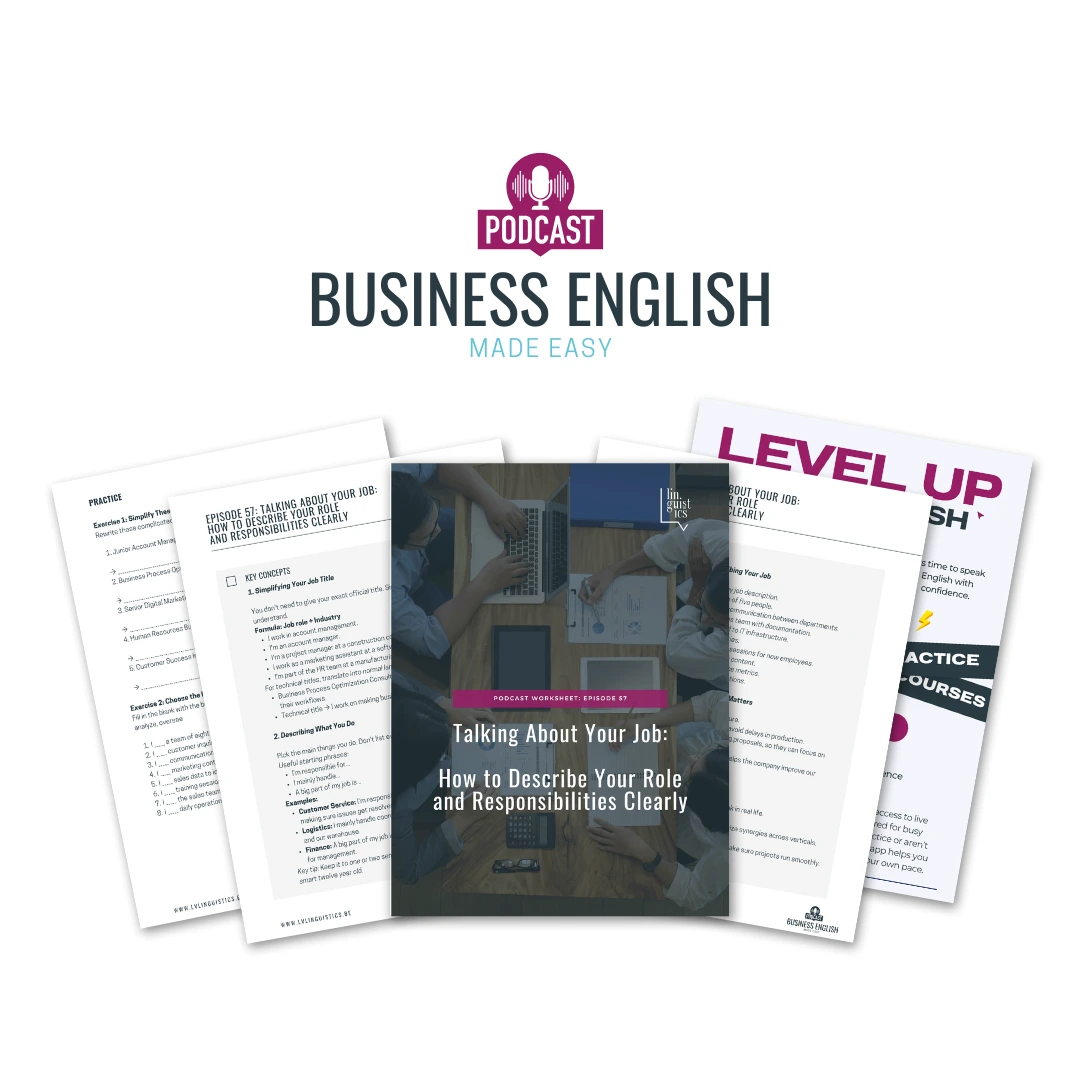
If you enjoyed today’s episode, share it with a colleague or friend who might find it helpful. And don’t forget to grab the free worksheet I’ve created to help you practice today’s strategies—it’s available at the top.
Thanks for listening to Business English Made Easy! I’ll see you next time!
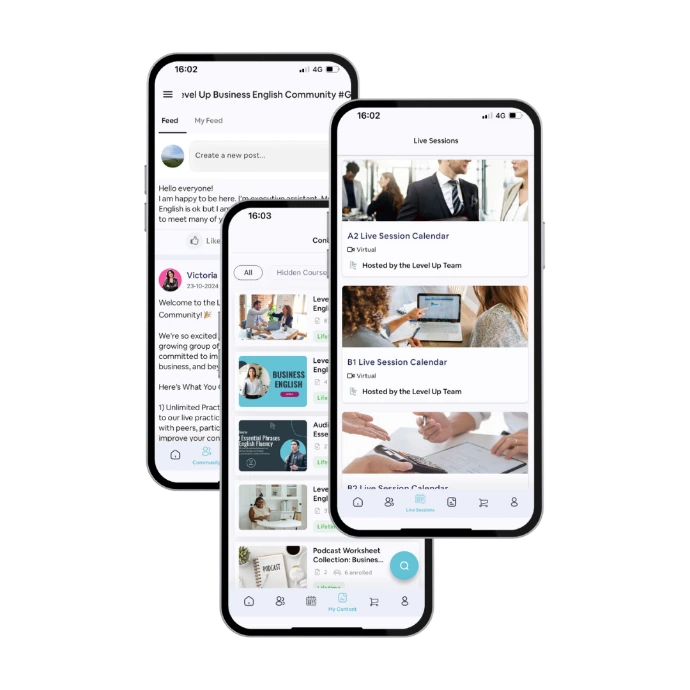
Tous vos outils pour progresser en anglais pro, réunis ici.
Exercices, fiches pratiques et support – tout dans une application conçue pour vous accompagner.
Découvrez l'application